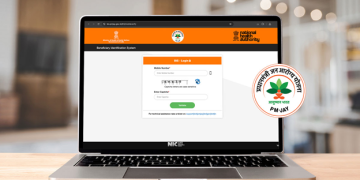

































The Pradhan Mantri Jan Arogya Yojana (PMJAY), introduced under the Ayushman Bharat initiative, has transformed healthcare for low-income families across India. Designed to provide comprehensive health coverage, PMJAY has become a crucial lifeline for families who previously struggled to afford essential treatments. By 2026, the scheme continues to expand and improve, offering extensive healthcare access, reduced financial burdens, and streamlined medical services across the country.
This article explores how PMJAY has positively impacted healthcare for low-income families, the role of the Beneficiary Identification System (BIS PMJAY), and how the scheme’s ongoing developments contribute to improved healthcare access.
Key features of the PMJAY scheme
The Pradhan Mantri Jan Arogya Yojana offers multiple benefits that make it invaluable for low-income families in India. Some of the scheme’s primary features include:
- Cashless treatment at network hospitals: One of PMJAY’s significant advantages is its cashless treatment model, available at over 24,000 empanelled hospitals nationwide. This network includes both public and private hospitals, ensuring that beneficiaries can receive medical care without incurring upfront costs.
- Extensive coverage: PMJAY covers more than 1,500 medical procedures, from basic hospitalisations to complex surgeries. This level of coverage is particularly beneficial for families facing high treatment costs for chronic or serious illnesses.
- Annual family coverage: Under the PMJAY scheme, each eligible family is entitled to Rs 5 lakh of annual health coverage. This coverage amount provides protection for various medical needs throughout the year, ensuring comprehensive healthcare support.
- No family size or age limit: PMJAY removes barriers based on family size or age, covering all family members. This inclusivity makes it particularly beneficial for larger families and households with elderly members who may need frequent medical attention.
- Focus on preventive care: Besides treatment, PMJAY promotes preventive care by enabling routine check-ups and early intervention, reducing the need for extensive treatments later on.
The role of BIS PMJAY in effective implementation
The Beneficiary Identification System (BIS PMJAY) plays a vital role in managing eligibility and enrolment under the scheme, ensuring that benefits reach the intended recipients. Here’s how BIS PMJAY enhances the effectiveness of the scheme:
- Accurate identification of beneficiaries: BIS PMJAY relies on data from the Socio-Economic Caste Census (SECC) to identify eligible families, ensuring that the scheme’s benefits reach low-income households. The system’s accuracy reduces misuse and ensures that resources are allocated fairly.
- Simplified enrolment: BIS PMJAY simplifies enrolment, making it easier for rural populations and underserved communities to access the scheme. Eligible families can verify their status quickly, ensuring timely access to healthcare when they need it most.
- Efficient verification at hospitals: Through BIS PMJAY, hospitals can rapidly verify a patient’s eligibility, reducing delays in providing cashless services. This streamlined verification process ensures that beneficiaries can access treatment without administrative obstacles.
PMJAY’s impact on rural and underserved areas
PMJAY has significantly improved healthcare access in India’s rural and underserved areas, addressing various challenges:
- Enhanced healthcare infrastructure: With the increased demand driven by PMJAY, more hospitals and healthcare providers are being empanelled in rural areas. This expansion means that residents in remote regions now have improved access to quality medical facilities.
- Lower out-of-pocket expenses: By covering healthcare costs through cashless services, the Pradhan Mantri Jan Arogya Yojana reduces the financial burden on families. This support is crucial for rural families who may otherwise avoid treatment due to high costs.
- Increased awareness of healthcare options: PMJAY has raised awareness about the importance of preventive care and regular check-ups among rural populations. This awareness encourages families to seek medical attention for health issues earlier, leading to better overall health outcomes.
- Support for vulnerable populations: The Pradhan Mantri Jan Arogya Yojana has had a notable impact on women and elderly individuals, particularly in rural areas. By covering necessary medical procedures and treatments, the scheme improves health outcomes for these vulnerable groups, contributing to better quality of life.
Innovations in PMJAY in 2026
To further enhance healthcare access, the Pradhan Mantri Jan Arogya Yojana has integrated new features and innovations by 2026, making the scheme more efficient and user-friendly:
- Telemedicine services: PMJAY has introduced telemedicine options, allowing beneficiaries in remote areas to consult doctors virtually. This service is particularly valuable for individuals living far from hospitals, offering timely medical advice and support without travel.
- Data-driven healthcare initiatives: Using data from BIS PMJAY, the government can identify healthcare trends and challenges across regions. This data analysis enables more targeted healthcare programs and efficient allocation of resources.
- Partnerships with private hospitals: The Pradhan Mantri Jan Arogya Yojanahas strengthened partnerships with private hospitals, enhancing healthcare quality and service availability for beneficiaries. Public-private collaboration ensures a more comprehensive network, giving beneficiaries a greater choice of facilities.
- Incorporation of wellness programs: PMJAY has expanded to include wellness initiatives focused on mental health, lifestyle diseases, and other prevalent health issues. These programs aim to improve overall well-being, reducing the likelihood of severe health complications.
Challenges and the future of PMJAY
Despite its successes, PMJAY faces certain challenges in maintaining long-term sustainability and reach. Here are a few challenges and potential solutions:
- Funding and resource allocation: Ensuring that PMJAY has adequate funding is essential for sustaining its benefits and expanding its reach. The government continues to increase budget allocations to support the scheme and improve healthcare infrastructure in underserved areas.
- Digital literacy and access: Digital literacy can be limited in some rural areas, affecting the use of BIS PMJAY and telemedicine services. To address this, the government has launched awareness campaigns to improve digital understanding and support smooth implementation.
- Training healthcare staff: With PMJAY ’s growing reach, rural healthcare facilities require more trained staff to maintain quality care. Training programs for healthcare providers, especially in remote areas, are essential for the scheme’s continued success.
Conclusion
The Pradhan Mantri Jan Arogya Yojana has played a transformative role in expanding healthcare access for low-income families across India. By covering extensive medical procedures, providing cashless treatment, and creating a large network of hospitals, PMJAY has made quality healthcare a reality for millions who previously faced financial barriers. With the support of BIS PMJAY, the scheme ensures that the right families receive these benefits quickly and effectively.
As PMJAY incorporates innovations like telemedicine, data-driven healthcare, and public-private partnerships, it stands poised to make an even greater impact in the coming years. By prioritising preventive care, expanding infrastructure, and increasing funding, PMJAY will continue to enhance healthcare access for vulnerable populations, contributing to a healthier and more resilient India.