




























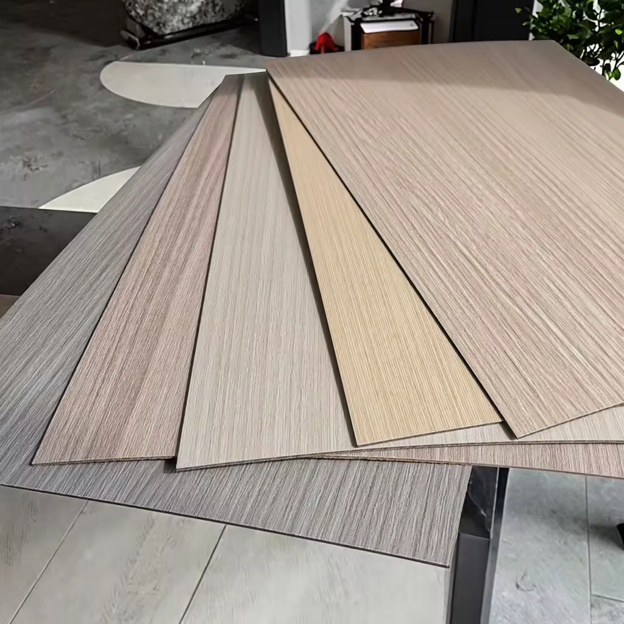
The demand for decorative surface materials continues to evolve as residential construction, commercial development and interior renovation projects create new opportunities for manufacturers and distributors. Architects, furniture makers, contractors and retailers increasingly look for materials that combine visual appeal with practical performance. In this environment, the ability to source consistent products, maintain reliable supply and respond to changing design preferences has become an important part of business growth.
High-pressure laminates and other decorative surface materials serve a wide range of applications, from kitchen cabinets and wardrobes to office furniture and commercial interiors. For businesses operating across regional and international markets, success depends on more than offering attractive designs. Product quality, distribution planning, technical information and dependable business relationships all influence purchasing decisions and long-term customer confidence.
The Growing Role of Decorative Surface Materials
Modern construction and interior design increasingly emphasise the relationship between aesthetics, usability and maintenance. Property owners want surfaces that complement their preferred style, while developers and contractors need materials that suit project specifications and budgets. Decorative laminates can help address these requirements by providing a variety of colours, textures and patterns for different interior applications.
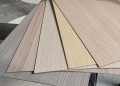
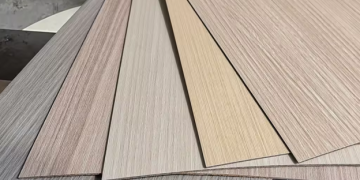
Wood-inspired finishes, stone effects, neutral shades and contemporary designs allow manufacturers and suppliers to serve diverse customer preferences. These choices support residential interiors as well as offices, hotels, retail outlets and other commercial spaces. The range of available finishes also helps furniture manufacturers coordinate different components within a single design scheme.
For businesses supplying these materials, understanding customer requirements is essential. A retailer serving homeowners may prioritise popular designs and manageable order quantities, whereas a contractor handling large developments may focus on product consistency, availability and delivery schedules. Recognising these differences allows suppliers to build a product offering around the needs of their intended market.
Why Product Consistency Matters
Consistency is a significant consideration when decorative laminates are used across large projects. Multiple sheets may be installed next to one another on cabinets, wall panels or furniture units, making differences in colour, texture or pattern more noticeable. Reliable product specifications and appropriate quality checks help reduce the risk of inconsistencies affecting the finished interior.
Manufacturers and distributors can support customers by providing clear product information, including available dimensions, thicknesses, finishes and recommended applications. This information helps designers and contractors select materials that align with their plans before installation begins. It also makes communication easier when several parties are involved in a project.
Product consistency is particularly important for businesses supplying repeat orders. When customers return for additional material, they need confidence that the selected finish and specification will meet their requirements. Clear product identification and organised inventory management can help distributors handle these requests more efficiently.
Building an Effective Wholesale Distribution Network
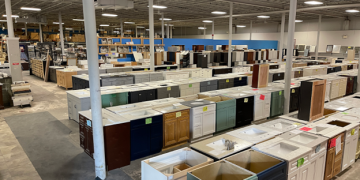
Wholesale distribution connects manufacturers with retailers, furniture producers, contractors and other commercial buyers. A well-organised distribution network can make decorative surface materials more accessible while helping businesses manage demand across different customer groups. It also provides a practical route for introducing new designs to markets beyond a manufacturer’s immediate region.
Businesses evaluating a laminates wholesaler India option should consider more than the quoted price. Product range, order quantities, stock availability, communication and delivery arrangements can all influence the overall value of a supply relationship. Buyers should also confirm the technical specifications and suitability of the materials they intend to purchase.
For wholesalers, understanding local market preferences can support better inventory decisions. Popular colours and finishes may vary by region, customer segment and project type. Monitoring these preferences helps businesses plan stock levels while reducing the likelihood of holding large quantities of slow-moving products.
Strong relationships between manufacturers, wholesalers and retailers can also improve coordination. When information about availability, specifications and expected delivery is shared clearly, businesses can plan orders with greater confidence. Such cooperation becomes particularly valuable when supplying projects with fixed installation schedules.
Managing Supply Chains and Customer Expectations
A dependable supply chain is essential for businesses handling construction and interior materials. Delays or shortages can affect furniture production, installation schedules and project completion. Manufacturers and distributors therefore benefit from organised inventory processes, realistic delivery commitments and clear communication when circumstances change.
Forecasting demand can help businesses prepare for seasonal fluctuations and large orders. However, forecasts should be supported by current market information rather than assumptions alone. Maintaining communication with retailers and contractors can provide useful insight into upcoming requirements and help suppliers make better purchasing decisions.
Packaging and handling are also important. Decorative sheets need appropriate storage and transport practices to reduce the risk of scratches, breakage or surface damage. Buyers should follow product-specific handling guidance and ensure that materials are inspected when received, particularly when orders cover multiple sheets or different finishes.
Customer support remains part of the overall supply experience. When buyers can obtain clear answers about specifications, applications and availability, they are better equipped to plan their projects. This can help build trust and encourage repeat business.
Exploring International Export Opportunities
International trade can create opportunities for manufacturers of decorative surface materials to reach new customer segments. Demand may come from distributors, furniture manufacturers, construction companies and interior product suppliers operating in different countries. However, entering an overseas market requires careful consideration of customer expectations, product requirements, logistics and commercial regulations.
Businesses exploring laminates exporter India opportunities should first assess the markets they intend to serve. Research may include identifying local design preferences, understanding competing products, evaluating import requirements and determining which product categories are most relevant. This preparation can help businesses prioritise markets where their offering is commercially suitable.
Export planning also involves documentation, packaging, shipping arrangements and coordination with international buyers. Requirements vary by destination and product, so businesses should verify applicable regulations and documentation before accepting orders. Freight costs, delivery timelines, insurance and handling arrangements should be considered when preparing quotations.
Clear communication is particularly important when working across borders. Buyers should receive accurate information about specifications, quantities, lead times and commercial terms. Consistent documentation can help reduce misunderstandings and support smoother transactions between suppliers and overseas customers.
Adapting Product Portfolios to Changing Design Preferences
Decorative surface trends can change as interior styles, construction practices and consumer preferences evolve. Some customers may favour understated neutral colours, while others may seek bold patterns, tactile textures or finishes inspired by natural materials. Manufacturers and distributors need to understand these shifts without allowing short-lived trends to undermine practical product planning.
A balanced portfolio can include established designs alongside newer options. Familiar finishes may appeal to customers seeking versatile materials, while distinctive patterns can help designers create more individual interiors. Product selection should also consider the intended application, since a surface suitable for a wardrobe may not necessarily meet the requirements of a demanding commercial or exterior environment.
Technical suitability remains as important as appearance. High-pressure laminates are designed for particular applications, and their resistance characteristics depend on the specific product. Businesses should provide accurate information rather than assuming that all decorative sheets offer the same performance. This approach supports informed purchasing and helps maintain confidence in the product range.
Quality Information as a Business Advantage
In a competitive market, clear product information can help distinguish a supplier’s offering. Buyers often need to compare finishes, dimensions, thicknesses and application recommendations before committing to an order. Accessible technical documentation can reduce uncertainty and make it easier for professionals to evaluate materials against project requirements.
Manufacturers and distributors can also benefit from presenting their product ranges in an organised manner. Consistent naming, accurate descriptions and clear specification details support sales conversations and simplify order management. For international customers, well-prepared documentation can make communication more efficient across different markets.
Businesses should avoid making broad performance claims without appropriate product evidence. Instead, they can explain the intended use, relevant specifications and recommended installation conditions for each product. Providing dependable information helps customers select materials responsibly and strengthens professional relationships over time.
Building Sustainable Long-Term Business Relationships
Growth in the decorative surface industry depends on more than reaching new customers. Maintaining existing relationships, meeting agreed requirements and responding constructively to problems can be equally important. Manufacturers, wholesalers and exporters that prioritise communication and product suitability are better positioned to establish lasting commercial partnerships.
Customers value suppliers who understand their requirements and provide realistic information about availability, specifications and delivery. Regular feedback can help businesses identify gaps in their product range and improve their service processes. It can also reveal changing preferences before they become more widely visible in the market.
As the decorative surface sector continues to develop, businesses that combine design variety with organised distribution and clear product information can create stronger foundations for growth. For companies seeking laminate solutions across domestic and international markets, Virgo HPL World offers decorative surface products to explore. Reviewing its available range and confirming the relevant specifications can help buyers assess suitable options for their distribution, retail or project requirements.